
 admin
admin
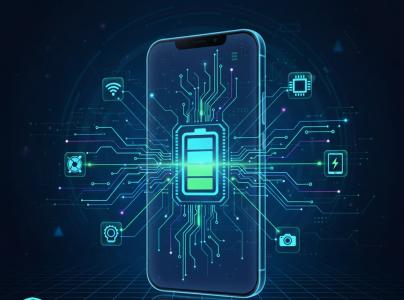
Have you ever wondered how your sleek, powerful smartphone manages to last a whole day, sometimes even longer, despite running demanding apps and always being connected? The secret behind modern smartphone battery efficiency is a fascinating blend of cutting-edge technology and intelligent design. It's not just about bigger batteries anymore; it's a sophisticated dance between hardware advancements, software optimization, and smart power management that keeps our devices running smoothly from morning till night.
The Core of Power: Advanced Battery Technology
At the heart of every modern smartphone lies a Lithium-ion (Li-ion) battery. While the basic chemistry has been around for a while, significant advancements have been made. Today's Li-ion batteries boast higher energy density, meaning they can store more power in a smaller, lighter package. Manufacturers are constantly refining materials and internal structures to improve cycle life and safety. Research into solid-state batteries and other next-generation technologies also promises even greater leaps in power and longevity in the future.
Smart Power Management: Hardware and Software Synergy
The real magic happens when hardware and software work together seamlessly to maximize every milliamp-hour. It's a collaborative effort to ensure power is used judiciously.
Hardware Innovations
- Efficient Chipsets (SoCs): Modern System-on-a-Chip (SoC) designs, like Apple's A-series, Qualcomm's Snapdragon, or MediaTek's Dimensity, are incredibly power-efficient. They feature multiple cores that can dynamically scale clock speeds and even completely shut down unused cores, only activating higher-performance cores when necessary. This adaptive approach drastically reduces idle power consumption.
- Display Technology: The screen is often the biggest power hog. OLED displays, prevalent in many high-end smartphones, are more efficient than traditional LCDs because individual pixels can be turned off completely, resulting in true blacks and less power usage for dark content. Furthermore, adaptive refresh rate technologies (e.g., 120Hz LTPO panels) can dynamically adjust the screen's refresh rate down to as low as 1Hz when viewing static content, saving significant battery life.
- Low-Power Components: Every component, from the cellular modem to the Wi-Fi chip and storage, is designed with power efficiency in mind. Manufacturers select components that deliver performance without excessive power draw.
Software Optimization
- Operating System (OS) Management: Both Android and iOS have sophisticated power management systems built into their core. They monitor app activity, prioritize tasks, and put background processes into deep sleep states. Features like 'Doze Mode' on Android or 'Low Power Mode' on iOS are prime examples of how the OS aggressively conserves energy.
- App Background Activity Control: The OS restricts what apps can do in the background, especially when the screen is off or the device isn't being actively used. Users also have granular control over which apps can run in the background, send notifications, or access location services.
- AI/ML for Predictive Power Usage: Many modern smartphones use artificial intelligence and machine learning to learn your usage patterns. They can predict which apps you're likely to use and when, pre-emptively managing resources to save power or prepare for peak usage. This also helps in optimizing charging cycles.
- Adaptive Brightness and Dark Mode: Software intelligently adjusts screen brightness based on ambient light. Dark mode, beyond being aesthetically pleasing, significantly reduces power consumption on OLED screens by illuminating fewer pixels.
Charging Technologies and Their Impact
While not directly contributing to "efficiency" in terms of power usage, modern charging technologies play a crucial role in the user experience and the overall health of the battery. Fast charging allows for quick top-ups, reducing the anxiety of a low battery. However, managing the heat generated during fast charging is critical for battery longevity. Many devices now include optimized charging features that learn your charging habits, slowing down the charge when it reaches 80% if it predicts you won't need it fully charged until just before you wake up, thus reducing stress on the battery.
Common Challenges and How to Overcome Them
Even with all these advancements, you might still face battery drain. Here are some common challenges and practical tips to overcome them:
- Aggressive Apps: Some apps are notorious for consuming excessive power in the background. Regularly check your battery usage statistics in your phone's settings to identify culprits and restrict their background activity.
- Connectivity Woes: Constantly searching for a signal (cellular or Wi-Fi) or having Bluetooth/GPS on when not needed can drain power. Turn off radios you're not actively using.
- Screen Brightness: While adaptive brightness helps, manual control can still save power. Keep your screen brightness at a comfortable, not excessive, level.
- Outdated Software: OS updates often include crucial power optimizations. Keep your device's software up to date.
- Aging Battery: Over time, all Li-ion batteries degrade. If your phone is several years old and battery life has drastically reduced, a battery replacement might be necessary.
For example, to check battery usage on an Android device, you might navigate through your settings like this:
Settings > Battery > Battery usage (or similar path)On an iOS device, it's typically:
Settings > Battery > Battery Usage by AppConclusion
The remarkable smartphone battery efficiency we enjoy today is a testament to continuous innovation across hardware, software, and battery chemistry. It's a complex ecosystem designed to deliver powerful performance without compromising on endurance. By understanding these underlying technologies and implementing some simple user habits, you can further extend your device's battery life and ensure it's ready when you need it most. Start your journey today by trying one of these tips!
Share your own tips for maximizing smartphone battery life in the comments section below!
Popular Posts




Categories
Tags

Comments