
 admin
admin
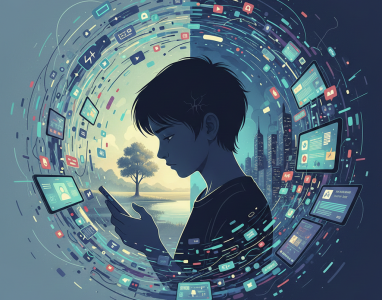
In our hyper-connected world, the sheer volume and lightning-fast pace of information have become a defining characteristic of modern life. For the younger generation, often referred to as digital natives, this constant deluge of data, news, and social updates is simply the norm. But while instantaneous access to information offers countless benefits, it also presents a significant challenge to their mental health. The impact of information speed on the well-being of young people is a topic that demands our immediate attention, as it shapes their perceptions, emotions, and overall development in profound ways.
Understanding the Digital Deluge
What exactly do we mean by "information speed"? It encompasses the rapid dissemination of news, trends, social media updates, entertainment, and educational content through digital channels. Every second, countless posts, videos, articles, and messages vie for our attention. For youth, this translates into a constant stream of notifications, an ever-updating social feed, and the expectation of instant replies and immediate gratification. This environment, while seemingly convenient, creates a landscape where the brain is constantly stimulated and rarely gets a moment to truly rest or process information at a slower, more reflective pace.
The Brain on Overdrive: Cognitive and Attention Impacts
Our brains are incredibly adaptable, but they are not designed for the sustained, high-intensity processing demanded by today's digital environment. The constant influx of new information can lead to cognitive overload, making it difficult for young people to concentrate, retain information, and engage in deep thinking. Studies suggest a potential link between increased screen time and decreased attention spans, as the brain becomes accustomed to quick-hit dopamine rewards from rapidly changing content. This "always-on" state can make it challenging for them to focus on tasks requiring sustained effort, whether in academic settings or personal projects, fostering frustration and a sense of inadequacy.
Social Media's Double-Edged Sword
Social media platforms are central to the lives of many young people, providing avenues for connection, self-expression, and information gathering. However, they are also a primary conduit for the accelerated information flow that can negatively affect mental health. The curated realities presented on these platforms often lead to unrealistic comparisons, fostering feelings of envy, inadequacy, and low self-esteem. The "Fear of Missing Out" (FOMO) is a prevalent phenomenon, driven by the constant visibility of others' seemingly perfect lives and experiences, amplified by the speed at which this information is shared.
Furthermore, cyberbullying, a pervasive issue, can spread rapidly and inflict deep psychological harm. Even the pressure to maintain a certain online persona and gather likes or followers can contribute to anxiety and stress. While social media can facilitate positive connections, its rapid, often unfiltered nature can also amplify negative experiences and make it harder for young individuals to navigate their social world without constant external validation.
Impact on Emotional Well-being and Sleep
The relentless pace of digital information can profoundly disrupt emotional regulation. Young people may find themselves more prone to anxiety and stress as they try to keep up with current events, social expectations, and personal communications. The immediacy of digital interactions can also reduce opportunities for face-to-face social skills development, leading to feelings of loneliness or social anxiety despite being "connected" online. The brain's inability to switch off due to the constant expectation of new information can significantly impact sleep patterns. Exposure to blue light from screens, coupled with the mental stimulation from engaging content, suppresses melatonin production, making it harder for youth to fall asleep and achieve restful sleep. Chronic sleep deprivation, in turn, is closely linked to increased risks of depression, anxiety, and impaired cognitive function.
Common Challenges and How to Overcome Them
Navigating the digital age while maintaining good mental health is a significant challenge for the younger generation. Here are some common hurdles and practical strategies to overcome them:
1. Digital Overload and Constant Distraction
The sheer volume of notifications, messages, and content can feel overwhelming, leading to a constant state of distraction and fractured attention. It becomes difficult to focus on one task without the urge to check a phone or browse another tab.
- How to Overcome: Practice "digital detox" periods. Set specific times each day or week to disconnect from all devices. Utilize app timers or "do not disturb" modes to limit notifications. Create a "screen-free zone" in your home, especially bedrooms.
2. The Pressure of Perfection and Comparison Culture
Social media often showcases highly curated, idealized versions of reality. This can lead young people to constantly compare their own lives, appearances, and achievements to others, fostering feelings of inadequacy, envy, and low self-esteem.
- How to Overcome: Cultivate self-awareness and critical thinking. Remind yourself that social media is a highlight reel, not real life. Focus on your own growth and achievements rather than external validation. Limit exposure to accounts that trigger negative self-comparison.
3. Fear of Missing Out (FOMO)
The constant stream of social updates can create a pervasive fear that others are having more fun, experiencing more, or achieving more. This can lead to anxiety, pressure to always be available, and a feeling of being left out.
- How to Overcome: Embrace JOMO (Joy of Missing Out). Recognize the value of being present in your own life and activities. Prioritize real-world experiences and connections over online updates. Understand that it's impossible to be everywhere or do everything.
4. Sleep Disruption and Circadian Rhythm Imbalance
The late-night use of screens and the mental stimulation from digital content significantly interfere with natural sleep cycles, leading to chronic sleep deprivation and its associated mental health risks.
- How to Overcome: Establish a strict "digital curfew" at least an hour before bedtime. Use blue light filters on devices or wear blue light blocking glasses. Create a relaxing pre-sleep routine that doesn't involve screens, such as reading a physical book or listening to calm music.
5. Information Anxiety and Misinformation
The speed at which news and information spread, often without proper vetting, can create anxiety about global events, societal issues, and even personal health. The risk of encountering misinformation is also high, leading to confusion and distress.
- How to Overcome: Be a critical consumer of information. Check sources, look for reputable news outlets, and be wary of sensational headlines. Limit your news intake to specific times of the day rather than constantly refreshing feeds. Engage in digital literacy practices to discern fact from fiction.
Building Resilience in a Fast-Paced World
Developing resilience is crucial for young people to thrive amidst the rapid information flow. This involves intentionally carving out time for activities that foster well-being, such as:
- Mindfulness and Meditation: Practicing mindfulness can help anchor individuals in the present moment, reducing the tendency to get swept away by digital distractions or overwhelming information.
- Outdoor Activities and Nature: Spending time in nature has been shown to reduce stress, improve mood, and enhance cognitive function, offering a valuable antidote to screen time.
- Hobbies and Creative Pursuits: Engaging in creative hobbies like art, music, writing, or crafts provides a sense of accomplishment and a healthy outlet for self-expression, away from digital pressures.
- Strong Offline Connections: Nurturing real-life friendships and family relationships provides essential social support, a sense of belonging, and opportunities for authentic interaction that digital platforms often cannot replicate.
- Seeking Professional Support: Encouraging open communication about mental health and destigmatizing therapy or counseling is vital. Sometimes, professional guidance is needed to navigate complex emotions and develop coping strategies.
The Role of Parents, Educators, and Society
It's not solely the responsibility of young people to navigate these challenges. Parents, educators, and society at large play a crucial role in mitigating the negative impact of information speed:
- Digital Literacy Education: Teaching critical thinking, media literacy, and responsible online behavior from an early age is paramount.
- Modeling Healthy Habits: Adults must model balanced technology use and demonstrate the importance of disconnecting and being present.
- Open Communication: Fostering an environment where young people feel comfortable discussing their online experiences, pressures, and mental health concerns is essential.
- Creating Supportive Environments: Schools and communities can implement programs that promote digital well-being, encourage offline activities, and provide accessible mental health resources.
The incredible speed of information flow is a permanent fixture of our modern world, bringing both immense benefits and significant challenges. For the younger generation, whose formative years are unfolding within this hyper-connected landscape, understanding and addressing its impact on their mental health is paramount. By cultivating digital literacy, practicing mindful technology use, prioritizing real-world connections, and building resilience, we can help young people navigate this complex environment more effectively. It requires a concerted effort from individuals, families, and communities to foster a balanced approach, ensuring that while information connects us, it doesn't overwhelm our well-being. Let's empower our youth to harness the power of information responsibly, safeguarding their mental health in an ever-accelerating world.
Share your own tips and experiences in managing information speed for better mental health in the comments section below!
Popular Posts




Categories
Tags

Comments