
 admin
admin
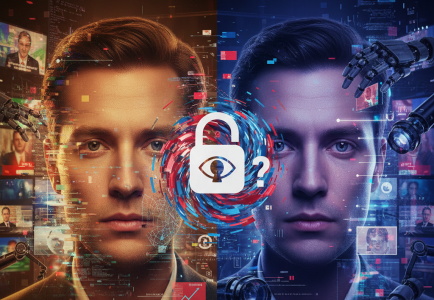
Deepfakes Unmasked The Ultimate Guide to Information Authenticity in the Digital Age
In an increasingly interconnected world, where information flows at lightning speed, the concept of truth and trust has become more fragile than ever. At the heart of this challenge lies a phenomenon known as deepfakes, a sophisticated form of artificial intelligence (AI) manipulation that blurs the lines between reality and fiction. The rise of deepfakes presents an unprecedented threat to information authenticity, making it crucial for everyone, from casual internet users to seasoned digital navigators, to understand what they are, how they work, and the profound impact they have on our shared digital landscape. Navigating the online world with a discerning eye is no longer optional; it's a fundamental skill for maintaining a healthy and truthful information ecosystem.
What Exactly Are Deepfakes?
Deepfakes are synthetic media in which a person in an existing image or video is replaced with someone else's likeness. The term "deepfake" is a portmanteau of "deep learning" and "fake." This technology leverages powerful AI algorithms, particularly neural networks known as Generative Adversarial Networks (GANs), to create incredibly realistic but entirely fabricated images, audio, and video content. Imagine being able to swap faces in a video seamlessly, make someone say things they never uttered, or even create an entirely new person who doesn't exist – that's the power of deepfakes.
The process often involves feeding a deep learning model vast amounts of data, such as images or videos of a target person. The AI then learns the intricacies of that person's facial expressions, speech patterns, and mannerisms. Once trained, it can generate new content, superimposing their likeness onto another person or synthesizing new speech. This advancement in AI manipulation has moved beyond simple image editing; it's about creating dynamic, believable, and often undetectable fabrications that challenge our perception of what's real online.
The Rising Threat to Information Authenticity
The most significant concern surrounding deepfakes is their potential to undermine information authenticity and erode public trust. In an era already grappling with widespread misinformation and fake news, deepfakes add a potent new weapon to the arsenal of those wishing to deceive. Think about the implications: a fabricated video of a political leader making controversial statements, an audio recording of a CEO confessing to illicit activities, or even intimate videos used for blackmail, all created with convincing realism.
The impact stretches across various sectors:
- Politics and Elections: Deepfakes can be used to spread disinformation during election campaigns, fabricating scandals or misrepresenting candidates, thereby influencing public opinion and potentially altering election outcomes.
- Journalism and Media: The ability to fake news footage or interviews can severely damage the credibility of news organizations and make it harder for the public to discern reliable sources from fabricated ones. This challenges the very foundation of objective reporting.
- Business and Finance: Fraudsters could use deepfakes for sophisticated scams, impersonating executives for financial fraud or manipulating stock prices with fake announcements.
- Personal Reputation and Security: Individuals can become targets of harassment, blackmail, or reputational damage through non-consensual deepfake pornography or defamatory videos. This is a severe breach of privacy and a significant security risk.
The ease with which deepfake technology is becoming accessible means that creating convincing fakes is no longer the exclusive domain of highly skilled professionals. Even amateur users can now produce somewhat convincing synthetic media, intensifying the challenge for digital verification and reinforcing the urgent need for media literacy.
Beyond the Fun: Malicious Uses of Deepfakes
While some early deepfake applications were for entertainment (like face-swapping apps), the technology's darker side quickly became apparent. Malicious uses exploit the power of AI to create believable falsehoods, with devastating consequences. These range from subtle attempts to sway opinion to direct acts of fraud and personal harm.
Disinformation Campaigns and Propaganda
Deepfakes are a potent tool for large-scale disinformation campaigns. Authoritarian regimes or malicious actors could use them to destabilize democracies, sow discord, or manipulate public perception of events. Imagine a deepfake video showing a hostile nation deploying weapons, potentially escalating international tensions based on entirely false pretenses. The rapid spread of such content on social media platforms makes it incredibly difficult to contain once it goes viral, leading to widespread confusion and distrust in reliable sources.
Financial Fraud and Impersonation
The financial sector is increasingly vulnerable. Voice deepfakes have already been used in successful corporate fraud attempts, where criminals impersonated executives to trick employees into transferring large sums of money. As video conferencing becomes more prevalent, deepfake video calls could become the next frontier for sophisticated phishing and impersonation attacks, making it harder for businesses to maintain robust security protocols.
Harassment and Blackmail
Perhaps one of the most insidious uses is in creating non-consensual deepfake pornography, primarily targeting women. This constitutes severe harassment, violation of privacy, and can lead to immense psychological distress and reputational ruin. Furthermore, deepfakes can be used for blackmail, extorting individuals by threatening to release fabricated compromising content, highlighting the severe ethical implications of this technology.
Identifying a Deepfake: Signs and Tools for Detection
Detecting a deepfake can be challenging because the technology is constantly evolving, making the fakes more sophisticated. However, there are often tell-tale signs, especially in less expertly crafted examples. Developing a critical eye and understanding these indicators is crucial for maintaining digital truth.
Here are some common signs to look out for:
- Inconsistent Lighting and Shadows: The lighting on the swapped face might not perfectly match the lighting of the original body or background. Look for unnatural shadows or highlights.
- Unnatural Blinking Patterns: Early deepfakes often showed subjects who blinked too little or had unnatural blinking patterns. While this is improving, it can still be a subtle clue.
- Awkward Facial Expressions or Movements: The facial expressions might not quite match the emotion of the situation, or head movements might seem stiff, jerky, or out of sync with the body.
- Inconsistent Skin Tones or Textures: Look for blurring around the edges of the face, or a difference in skin tone and texture between the face and the neck/body.
- Audio Anomalies: In deepfake audio or video, listen for unnatural vocal tones, unusual speech cadence, background noise inconsistencies, or lipsync that doesn't quite match the audio.
- Hair and Accessory Irregularities: Hair can be difficult for AI to render perfectly, sometimes appearing blurry or unnatural. Glasses or jewelry might also show distortions.
Beyond visual cues, several tools and strategies are emerging for verification:
- Reverse Image/Video Search: Uploading suspect images or video frames to search engines can help find original sources or expose previous manipulations.
- AI Detection Tools: Researchers and tech companies are developing AI-powered tools specifically designed to detect deepfakes by analyzing subtle digital artifacts left by the generation process. These tools are becoming increasingly sophisticated, though it remains an arms race.
- Metadata Analysis: Examining the metadata of a file (information like creation date, software used, camera model) can sometimes reveal inconsistencies, though malicious actors often strip this information.
- Cross-Referencing: Always cross-reference information from multiple, reliable sources. If a sensational claim or video appears, check if reputable news outlets are reporting it.
Common Challenges and How to Overcome Them
The fight against deepfakes and the preservation of online information authenticity is fraught with challenges. The technology is advancing rapidly, making detection more difficult, and the sheer volume of content makes manual verification impossible. However, by understanding these hurdles, we can develop effective strategies to overcome them.
Challenges:
- Rapid Technological Advancement: Deepfake generation technology is improving at an incredible pace, making fakes harder to distinguish from reality. Detection methods struggle to keep up.
- Scalability of Creation: It's becoming easier and cheaper to produce deepfakes, meaning a greater volume of manipulated content can be unleashed.
- Difficulty for the Average User: Most internet users lack the technical knowledge or tools to effectively detect sophisticated deepfakes, leaving them vulnerable to deception.
- Global Reach and Anonymity: Deepfakes can spread globally in minutes, and the anonymity of the internet makes it hard to trace and hold creators accountable.
- Lagging Legal and Ethical Frameworks: Laws and regulations are struggling to catch up with the unique challenges posed by deepfakes, leaving a legal gray area for prosecution and redress.
How to Overcome Them:
Overcoming these challenges requires a multi-faceted approach involving technology, education, and collective responsibility:
- Enhance Media Literacy and Critical Thinking: This is arguably the most crucial defense. Individuals need to be taught how to critically evaluate online content, question sensational claims, verify sources, and recognize potential deepfake indicators. Educational programs and public awareness campaigns are vital.
- Invest in Detection Technology: Continued investment in AI-powered deepfake detection tools is essential. This includes developing robust algorithms that can identify subtle anomalies and digital forensics techniques to trace manipulated content.
- Platform Responsibility: Social media companies and content platforms must take greater responsibility for identifying and removing deepfake content. This includes developing stronger AI moderation tools, implementing clear policies, and cooperating with researchers.
- Develop Digital Watermarking and Provenance Systems: Technologies that can embed unalterable metadata into original content (digital watermarks) or create a secure chain of custody for digital media (provenance) can help verify authenticity from creation.
- Strengthen Legal and Ethical Frameworks: Governments need to enact specific legislation addressing the creation and dissemination of malicious deepfakes, particularly those involving non-consensual content or fraud. Ethical guidelines for AI development also need to be established and enforced.
- Collaborate Across Sectors: Solutions will come from collaboration between tech companies, academics, policymakers, journalists, and civil society organizations. Sharing threat intelligence and best practices is key.
The Future of Digital Trust and Deepfakes
The battle between deepfake creators and detectors is an ongoing arms race. As AI technology advances, so too will the sophistication of synthetic media. This means that preserving digital trust will become an increasingly complex endeavor. We are moving towards a future where discerning reality from fabrication will require not just human intuition but also technological assistance and a strong commitment to ethical AI development.
The stakes are incredibly high. Our ability to make informed decisions, to trust the information we consume, and to maintain the integrity of our personal and political discourse hinges on our collective capacity to navigate this challenge. It's a journey that demands vigilance, continuous learning, and a proactive approach from individuals, tech companies, and governments alike. The goal is not just to detect deepfakes but to build a more resilient and trustworthy digital environment for everyone.
In conclusion, deepfakes represent a formidable obstacle to information authenticity in our digital world. They challenge our perceptions, threaten our institutions, and demand our immediate attention. By understanding the technology, recognizing the signs, and actively participating in the solutions – from enhancing media literacy to advocating for better technological and legal safeguards – we can collectively uphold the truth and ensure a more secure and trustworthy online experience for all. The power to discern and verify rests, in part, with each of us.
Start your journey today by trying one of these tips to critically evaluate content. Share your own tips in the comments section below!
Popular Posts




Categories
Tags

Comments