
 admin
admin
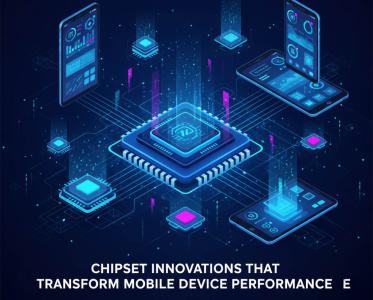
Mobile Chipset Innovations Supercharging Your Smartphone Performance
In today's fast-paced digital world, our mobile devices are more than just phones; they are powerful mini-computers that fit in our pockets. They help us work, play, connect, and capture memories. But what truly fuels this incredible capability and transforms our everyday mobile experience? The answer lies at the heart of every smartphone and tablet: the chipset. Recent chipset innovations have been nothing short of revolutionary, pushing the boundaries of what a mobile device can do, from lightning-fast app performance to stunning graphics and sophisticated AI capabilities. Understanding these advancements isn't just for tech enthusiasts; it's about appreciating the engineering marvels that make our digital lives smoother, more efficient, and more enjoyable.
Understanding the Mobile Chipset: Your Device's Brain
Before diving into the exciting innovations, let's clarify what a mobile chipset is. Often referred to as a System-on-a-Chip (SoC), it's essentially a single integrated circuit that contains all or most of the components of a computer or other electronic system. Think of it as the brain, heart, and nervous system of your mobile device, all working in harmony on one tiny piece of silicon. This integrated approach is crucial for mobile devices, allowing for smaller form factors, reduced power consumption, and improved overall performance. It's the central hub that dictates your entire smartphone performance.
A typical mobile SoC integrates several critical components, each playing a vital role:
- Central Processing Unit (CPU): The "brain" that executes instructions and performs general computing tasks. Modern CPUs are designed for incredible speed and multitasking efficiency.
- Graphics Processing Unit (GPU): Dedicated hardware for rendering images, videos, and game graphics. This is what makes your mobile games look so stunning!
- Neural Processing Unit (NPU): A specialized accelerator for artificial intelligence and machine learning tasks, handling complex AI calculations.
- Digital Signal Processor (DSP): Handles specialized tasks like audio processing and sensor data.
- Modem: Manages cellular connectivity (4G, 5G, etc.), keeping you connected to the world.
- Memory Controller: Manages data flow to and from the device's RAM, ensuring quick access to information.
- Image Signal Processor (ISP): Optimizes camera performance and image quality, making your photos look their best.
The seamless integration and interaction of these components are what define a chipset's overall capabilities and, consequently, your mobile device's performance.
Driving Forces: Key Chipset Innovations Redefining Mobile Experiences
The mobile technology landscape is constantly evolving, and much of that evolution is driven by relentless chipset innovation in design and manufacturing. Here are some of the most impactful advancements we've seen recently, truly supercharging what our mobile devices can do.
CPU Power: The Engine Behind Lightning-Fast Apps
Mobile CPUs have come a long way from simple single-core designs. Modern chipsets feature sophisticated multi-core architectures, often combining high-performance cores with high-efficiency cores (a concept known as heterogeneous computing). This intelligent design allows the device to handle demanding tasks like intense gaming or video editing using the powerful cores, while background processes and simpler tasks run on efficiency cores, significantly saving battery life. This intelligent workload distribution is a hallmark of modern mobile processor design, leading to snappier app launches, smoother multitasking, and an overall more responsive user experience.
GPU Magic: Immersive Visuals That Pop
Mobile gaming, augmented reality (AR) applications, and high-resolution video streaming demand incredible graphical prowess. GPU advancements in chipsets have delivered this in spades. We're now seeing features previously exclusive to desktop gaming, like hardware-accelerated ray tracing, making their way into mobile GPUs. This translates to more realistic lighting, shadows, and reflections in games, bringing console-quality visuals to your pocket. Coupled with support for higher refresh rates (120Hz, 144Hz, and even higher), these GPUs deliver buttery-smooth visuals and incredibly immersive experiences on your mobile device, making every interaction a treat for the eyes.
AI and NPUs: The Smart Revolution On-Device
Perhaps one of the most transformative innovations has been the rise of Neural Processing Units (NPUs). These dedicated AI accelerators are specifically designed to efficiently handle machine learning tasks directly on the device, rather than relying solely on cloud processing. This "on-device AI" or AI processing enables a host of intelligent features without needing a constant internet connection, significantly improving privacy and speed:
- Smarter cameras that can instantly recognize scenes, optimize settings, and enhance photos in real-time, helping you capture perfect shots effortlessly.
- More accurate and responsive voice assistants and speech-to-text conversion, making interactions more natural.
- Personalized user experiences, from intelligent app suggestions to predictive text and advanced battery optimization based on your usage patterns.
- Enhanced security features like faster and more reliable facial recognition and biometric authentication, keeping your device secure.
By offloading these intensive AI calculations from the CPU and GPU, NPUs significantly improve efficiency and speed, allowing your phone to perform complex AI tasks with remarkable power efficiency.
5G and Connectivity: Blazing-Fast Mobile Connections
Integrated 5G modems are now standard in most flagship and even mid-range chipsets, marking a significant step in 5G technology adoption. This innovation brings unprecedented speeds and ultra-low latency to mobile devices. For users, this means instant downloads of large files, seamless high-definition video streaming without buffering, lag-free cloud gaming, and more reliable connections even in crowded areas. Beyond 5G, modern chipsets also integrate advanced Wi-Fi technologies like Wi-Fi 6E or Wi-Fi 7, and the latest Bluetooth standards, ensuring robust and high-speed local connectivity for all your devices.
Memory and Storage: Speeding Up Data Access
Even the fastest CPU and GPU can be bottlenecked by slow memory and storage. Chipset innovations have addressed this with support for cutting-edge standards like LPDDR5X RAM and UFS 3.1 or UFS 4.0 storage. These technologies dramatically increase data transfer speeds, meaning apps load faster, large files transfer quicker, and the overall system feels incredibly responsive. This contributes significantly to the perceived snappiness and overall mobile performance of your device, making every action feel instantaneous.
Power Efficiency and Thermal Management: Performance Without Overheating
Delivering high performance in a tiny, fanless device presents a major challenge: heat. Chipset designers are constantly innovating in power efficiency and thermal management. This involves more efficient core designs, advanced manufacturing processes (like 3nm or 4nm nodes), and integrated thermal throttles that intelligently manage performance to prevent overheating. The goal is to maximize performance while ensuring good battery life and preventing the device from getting uncomfortably hot during intensive use. This delicate balance is key to sustained high performance.
Hardware-Level Security: Protecting Your Digital Life
With so much personal data on our phones, security is paramount. Modern chipsets include dedicated hardware-level security features, such as secure enclaves. These isolated environments protect sensitive data like biometric information (fingerprints, facial scans), encryption keys, and payment credentials from software-based attacks. This foundational layer of security is a critical hardware security innovation that underpins the trust we place in our mobile devices, ensuring your digital life remains private and secure.
How These Innovations Transform Your Everyday Mobile Experience
So, what does all this technical jargon mean for you, the everyday user? These chipset innovations collectively lead to a dramatically improved mobile experience that makes your devices more capable and enjoyable:
- Snappier App Performance: Apps launch instantly, and multitasking between them is seamless and fluid.
- Stunning Mobile Gaming: Enjoy console-quality graphics and smooth frame rates on the go, with richer, more detailed worlds.
- Smarter Cameras: Capture professional-grade photos and videos with AI-powered enhancements, scene recognition, and advanced computational photography, even in challenging conditions.
- Seamless Multitasking: Switch between multiple demanding applications—like editing a video while streaming music and browsing—without a hitch or slowdown.
- Longer Battery Life: Achieve high performance without constantly searching for a charger, thanks to improved energy efficiency and intelligent power management.
- Enhanced Security: Your personal data and identity are better protected through robust, hardware-level safeguards that are incredibly difficult to compromise.
- Blazing-Fast Connectivity: Stream, download, and game online with minimal lag, wherever 5G or advanced Wi-Fi is available, opening up new possibilities for cloud-based services.
Common Challenges and How to Overcome Them
While chipset innovations bring immense benefits, there are also common challenges that users might encounter. Understanding these can help you get the most out of your device and manage expectations.
Heat Management Under Load: High-performance tasks like intense gaming, 4K video recording, or demanding video editing can generate significant heat. If a device gets too hot, the chipset might "throttle" its performance to prevent damage, leading to frame drops, slower processing, or reduced responsiveness.
How to overcome: Use your device in a well-ventilated area. Remove bulky cases during intense use if you notice overheating, as cases can trap heat. Avoid charging your phone while performing very demanding tasks simultaneously. For serious mobile gamers, external cooling accessories are also an option.
Software Optimization is Key: A powerful chipset is only as good as the software that utilizes it. Poorly optimized apps or an outdated operating system can prevent you from experiencing the full potential of your hardware, regardless of how advanced your System-on-a-Chip is.
How to overcome: Always keep your operating system and apps updated to their latest versions. Developers constantly release updates to improve performance, fix bugs, and ensure compatibility with new chipsets. Check app reviews for performance issues before downloading, and report bugs to developers.
Cost vs. Performance: Devices with the latest and most powerful chipsets often come with a premium price tag. It can be challenging to decide if the absolute top-tier performance is necessary for your specific use case, especially as mid-range options become increasingly capable.
How to overcome: Assess your actual needs. If you primarily browse social media, send messages, and watch videos, a well-optimized mid-range chipset might offer excellent value and all the performance you need. If you're a serious mobile gamer, a professional who relies on demanding creative apps, or simply want the best possible experience, investing in a flagship chipset will likely be worthwhile. Consider previous-generation flagship devices for a good balance of performance and price.
Rapid Obsolescence: New chipsets are announced and released at a rapid pace, sometimes making a device feel "old" within a year or two as newer, more capable ones emerge.
How to overcome: Don't feel pressured to chase every new release. A well-regarded chipset from the previous year often still offers fantastic performance for several years. Focus on what your current device can do for you and if it meets your needs, rather than constantly comparing it to the absolute latest technology.
The Road Ahead: What's Next for Mobile Chipsets?
The pace of innovation shows no signs of slowing down. We can expect future mobile chipsets to feature even more advanced AI capabilities, potentially enabling truly personalized, proactive, and context-aware user experiences. Further integration of custom silicon designed for specific workloads, like even more advanced image processing, cutting-edge AR/VR applications, or ultra-secure biometric systems, will become more prevalent. We'll also see continued efforts in extreme energy efficiency and smaller manufacturing nodes (e.g., beyond 3nm), pushing the boundaries of raw performance and battery life even further. The future promises an era where our mobile devices are not just smarter but also more intuitive, seamlessly integrated into our daily lives, and capable of tasks we can only dream of today.
The journey of mobile chipset innovation is a fascinating one, constantly redefining what's possible in the palm of our hands. From intelligent AI processing to breathtaking graphics and hyper-fast connectivity, these tiny powerhouses are the unsung heroes of our digital world. They are not just about raw speed but about enabling richer, more efficient, and more secure mobile experiences for everyone. Start your journey today by appreciating the incredible technology powering your pocket companion and exploring what new innovations can bring to your digital life! Share your own tips for getting the most out of your mobile device's performance in the comments section below!
Popular Posts




Categories
Tags

Comments