
 admin
admin

The internet has been a game-changer in our lives, evolving from a simple network of information exchange into a complex web of social interactions, e-commerce, and multimedia sharing. However, as we stand on the brink of another major shift, Web 3.0 promises to redefine the way we interact with the digital world, bringing about a more decentralized, transparent, and intelligent internet.
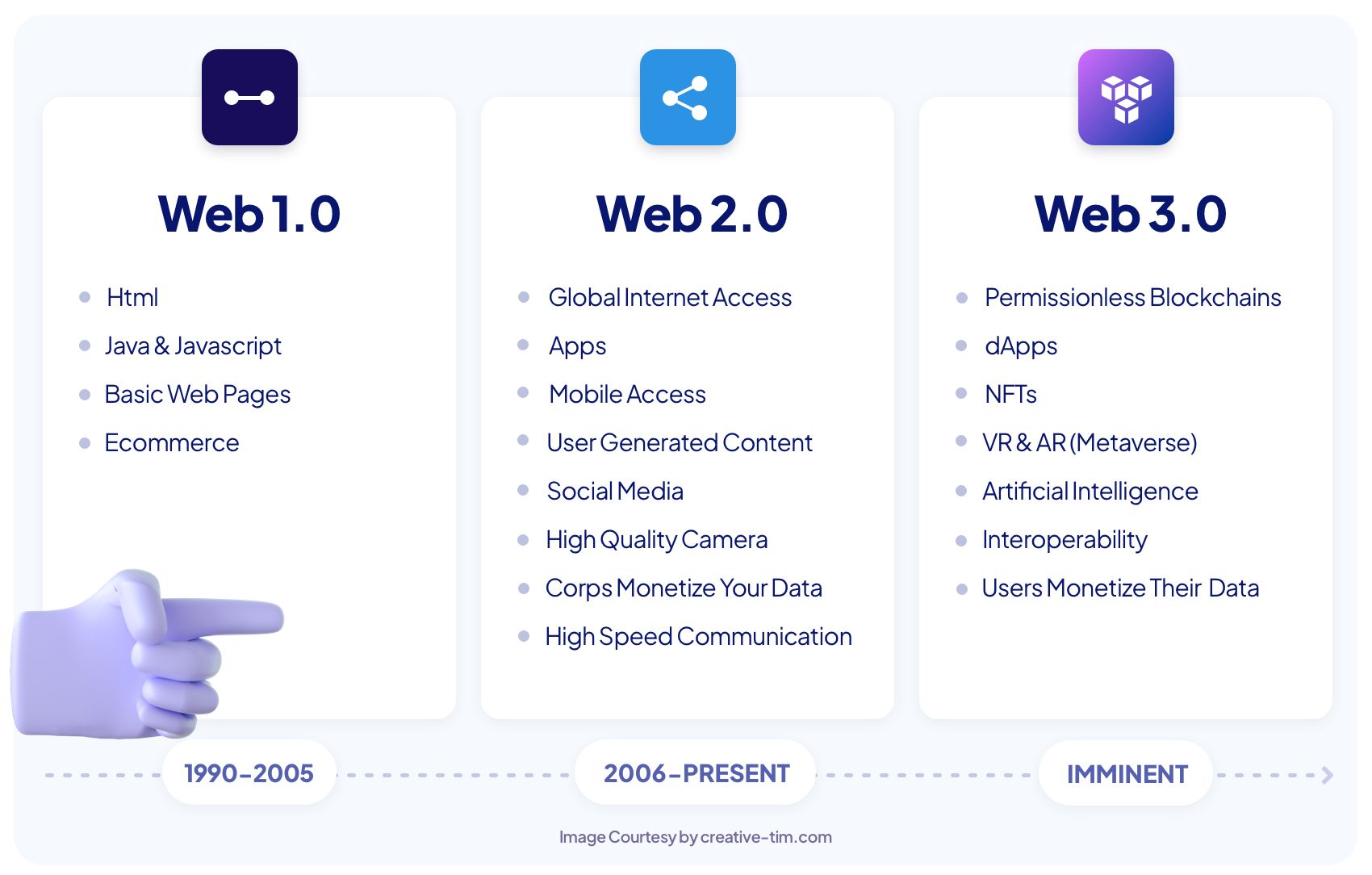
Understanding Web 3.0: The Evolution of the Internet
Web 3.0, often referred to as the third generation of internet technology, is built upon the foundation of blockchain technology, which is known for its decentralized nature. Unlike the current iteration of the web, often called Web 2.0, which is dominated by large corporations such as Meta (formerly Facebook), Google, and Amazon, Web 3.0 aims to empower users by giving them more control over their data and digital interactions.
In Web 2.0, our online activities are often governed by centralized entities that control and monetize our personal data. Whether it's social networking, video sharing, or online shopping, these platforms rely on vast amounts of user data to operate. This centralization has raised concerns about privacy, data ownership, and the influence of tech giants over our digital lives.
Web 3.0, in contrast, seeks to address these issues by leveraging blockchain technology to create a decentralized network where users retain ownership of their data. This shift from centralization to decentralization is a core principle of Web 3.0, and it has the potential to transform how we use the internet.
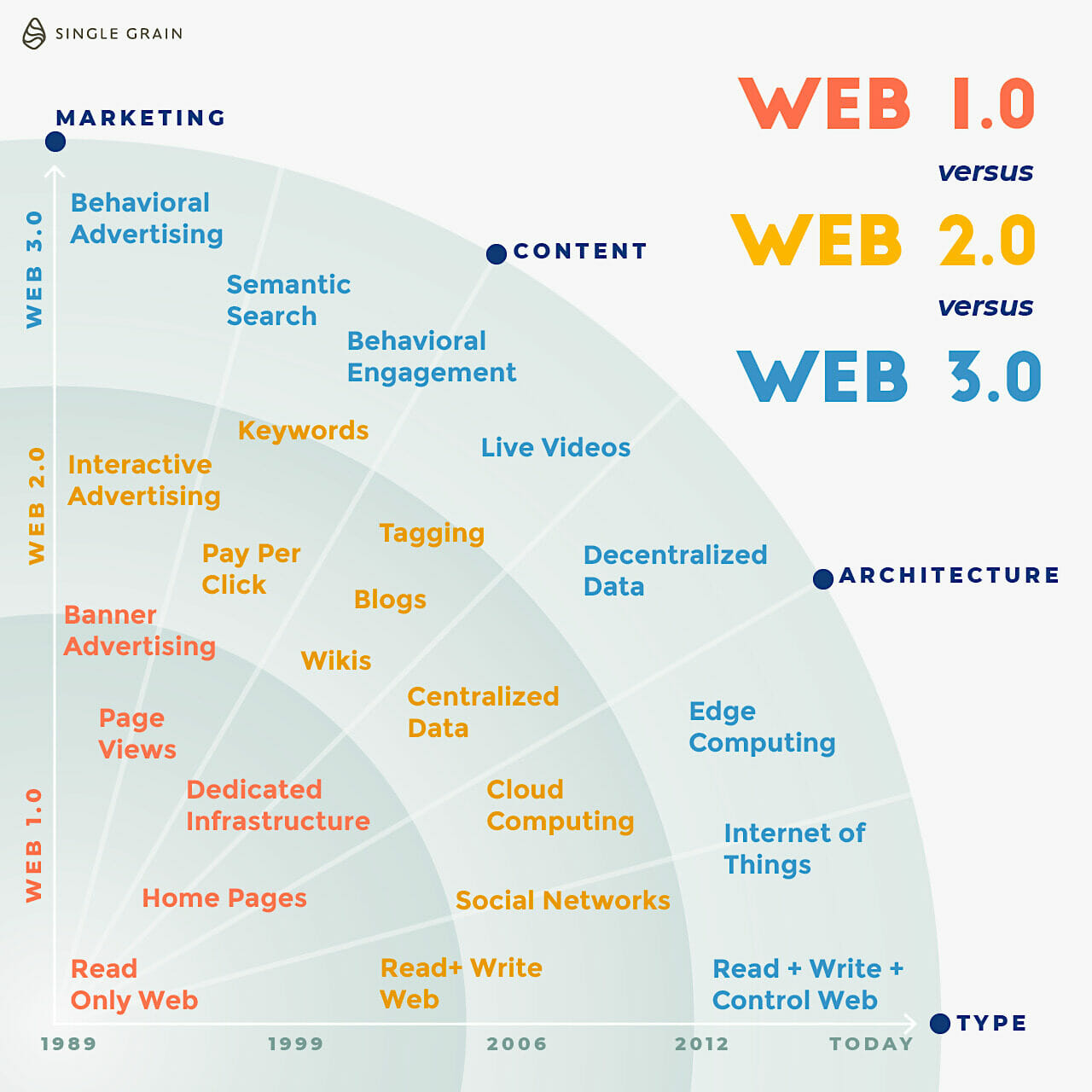
The Key Pillars of Web 3.0: Decentralization, Transparency, and Immutability
At the heart of Web 3.0 lies three fundamental principles: decentralization, transparency, and immutability.
- Decentralization: In a decentralized system, there is no central authority controlling the network. Instead, transactions and data exchanges occur directly between users, without the need for intermediaries such as banks or governments. Blockchain technology enables this by allowing users to send, receive, and trade data or assets in a peer-to-peer manner. This not only enhances security but also reduces the risk of censorship or manipulation.
- Transparency: Every transaction or data entry on a blockchain is recorded on a public ledger that is accessible to anyone. This transparency ensures that all actions on the network are visible and can be audited by any participant. The transparent nature of blockchain technology is particularly appealing for industries where trust and accountability are paramount.
- Immutability: Once data is recorded on a blockchain, it cannot be altered or deleted. This immutability ensures that historical records are preserved, providing a tamper-proof audit trail. In Web 3.0, this means that users can trust the integrity of the data and transactions on the network, knowing that they cannot be manipulated by any single party.
The Role of Smart Contracts in Web 3.0
Smart contracts are a critical component of Web 3.0, enabling automated, trustless transactions on the blockchain. A smart contract is a self-executing contract with the terms of the agreement directly written into code. Once the conditions specified in the contract are met, the contract automatically executes, without the need for a third party to oversee the process.
To better understand how smart contracts work, consider a vending machine. When you insert money into the machine, it automatically dispenses the selected item. Similarly, smart contracts automatically execute when the predefined conditions are fulfilled. This automation reduces the need for intermediaries like banks or brokers, streamlining transactions and reducing costs.
Smart contracts also contribute to the security and reliability of Web 3.0 by ensuring that transactions are transparent and immutable. Because they are stored on the blockchain, smart contracts are resistant to tampering, making them a reliable tool for various applications, from financial services to supply chain management.
Forks in Blockchain: Hard Forks and Soft Forks
As with any technology, blockchain networks occasionally undergo updates and changes. These changes can result in "forks," where the blockchain splits into two separate paths. Forks can be classified into two types: hard forks and soft forks.
- Hard Forks: A hard fork occurs when there is a fundamental change in the blockchain's protocol that is not compatible with previous versions. This split creates two separate blockchains, each with its own set of rules. A well-known example is the split between Ethereum and Ethereum Classic, where differences in how the network should operate led to the creation of two distinct cryptocurrencies. After a hard fork, users must choose which version of the blockchain to support, and they cannot interchange assets between the two networks.
- Soft Forks: A soft fork, on the other hand, is a backward-compatible update to the blockchain's software. This means that even users who do not upgrade to the latest version can still participate in the network, as their transactions will still be recognized as valid. Soft forks are often used to implement minor updates or improvements to the network without causing significant disruptions.
Both types of forks are essential for the evolution and adaptation of blockchain networks. They allow developers to implement necessary changes while giving users the option to decide which version of the network they wish to support.
Conclusion: The Promise of Web 3.0
Web 3.0 represents a new era of the internet, one that prioritizes user autonomy, transparency, and security. By leveraging blockchain technology, Web 3.0 offers a decentralized alternative to the centralized systems that currently dominate the web. As we move forward, the adoption of Web 3.0 technologies has the potential to transform industries, empower users, and create a more equitable digital landscape.
As with any emerging technology, Web 3.0 will face challenges and obstacles. However, its promise of a decentralized, transparent, and immutable internet is an exciting prospect that could reshape our digital future.
Popular Posts




Categories
Tags

Comments