
 admin
admin
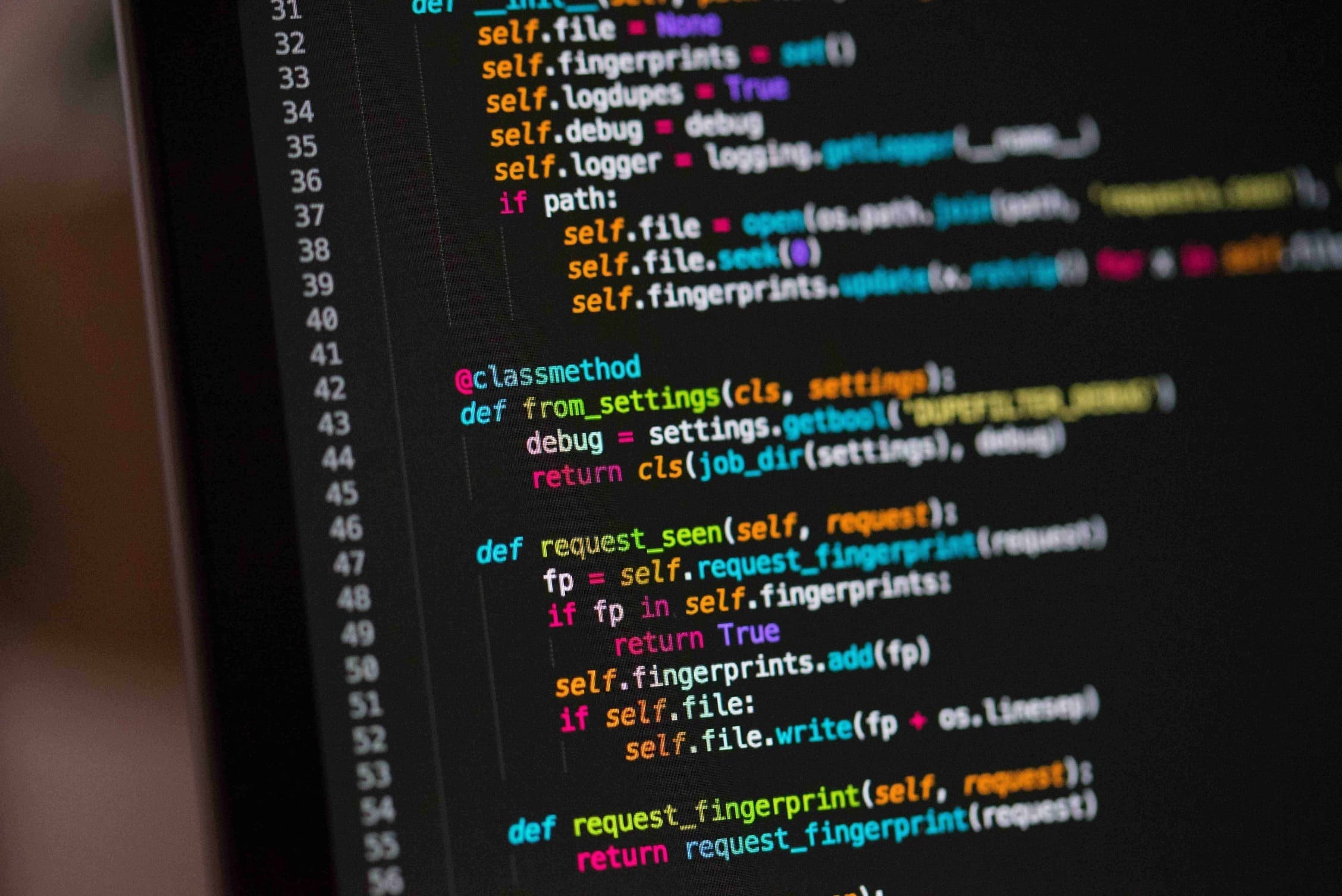
In the world of software development, the concept of "clean code" has gained significant attention. Developers often hear the term, but what does it truly mean? More importantly, why is clean code essential, and how can it be achieved? This article will explore these questions, providing insights into the principles of clean code and why it’s critical for creating maintainable and efficient software.
What is Clean Code?
Clean code is a coding practice that emphasizes writing code that is easy to read, understand, and maintain. It’s not just about making the code functional; it’s about crafting it in a way that any developer can easily follow and modify. Clean code adheres to best practices, uses meaningful names, follows a consistent style, and is well-structured, with clear and concise logic.
Key characteristics of clean code include:
- Readability: The code should be easy to read and understand, even for someone who didn’t write it.
- Simplicity: The code should do what it needs to do with minimal complexity.
- Maintainability: The code should be easy to modify, extend, or refactor without introducing errors.
- Testability: The code should be structured in a way that makes it easy to test.
Why is Clean Code Important?
Clean code is essential for several reasons that directly impact the quality, maintainability, and scalability of software projects:
- Enhanced Collaboration:
- In a team environment, clean code allows developers to easily understand and collaborate on the same codebase. When code is clean and well-organized, it reduces the learning curve for new team members and facilitates better communication among developers.
- Easier Maintenance and Debugging:
- Clean code is easier to debug and maintain. When the code is clear and well-structured, finding and fixing bugs becomes more straightforward, saving time and reducing frustration.
- Scalability:
- As projects grow, maintaining clean code becomes increasingly important. Clean code enables the software to scale more easily because it is structured in a way that allows for the addition of new features or the modification of existing ones without breaking the system.
- Fewer Bugs and Errors:
- Writing clean code often involves following best practices, such as writing small, focused functions and using meaningful variable names. These practices reduce the likelihood of introducing bugs and errors into the code.
- Long-Term Project Viability:
- Clean code ensures that a project remains viable in the long term. Code that is difficult to understand and modify can lead to "technical debt," where the cost of maintaining the software becomes increasingly high. Clean code minimizes technical debt, making it easier to sustain the project over time.
How to Write Clean Code?
Writing clean code is a skill that can be developed through practice and by adhering to certain principles:
- Use Meaningful Names:
- Variables, functions, classes, and other entities should have names that clearly describe their purpose. Avoid vague names like
tempordata; instead, use descriptive names likeuserAgeorinvoiceTotal.
- Variables, functions, classes, and other entities should have names that clearly describe their purpose. Avoid vague names like
- Keep Functions Small and Focused:
- Functions should do one thing and do it well. A function that tries to handle multiple tasks can quickly become complex and difficult to understand. Breaking down functions into smaller, focused units makes the code easier to follow and maintain.
- Write Comments Sparingly and Meaningfully:
- While comments can be helpful, they should not be overused. Well-written code should be self-explanatory. Use comments to explain the "why" behind decisions, rather than the "what" the code is doing.
- Consistent Formatting:
- Adhere to a consistent style guide for formatting your code. Consistency in indentation, spacing, and other formatting conventions makes the codebase more uniform and easier to navigate.
- Refactor Regularly:
- Refactoring is the process of restructuring existing code without changing its external behavior. Regular refactoring helps keep the code clean by removing redundancies, simplifying logic, and improving readability.
- Write Tests:
- Writing unit tests for your code ensures that it works as expected and makes it easier to refactor and maintain. Clean code should be easy to test, and testing helps to enforce clean coding practices.
- Avoid Over-Engineering:
- Write code that is as simple as possible while still meeting the requirements. Over-engineering can lead to unnecessary complexity, making the code harder to understand and maintain.
Conclusion
Clean code is more than just a programming style—it’s a mindset that emphasizes clarity, simplicity, and maintainability. By writing clean code, developers can create software that is not only functional but also robust, scalable, and easy to work with. As projects grow and evolve, the value of clean code becomes increasingly apparent, ensuring that the software remains manageable and sustainable in the long term.
Popular Posts




Categories
Tags

Comments