
 admin
admin
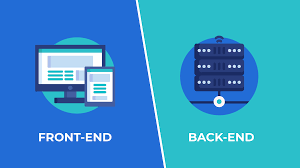
When we talk about web development, we often hear the terms front-end and back-end. These two parts are crucial to building a functional and interactive website or web application, but they serve very different purposes. Understanding the distinction between front-end and back-end development is essential for anyone looking to enter the tech world or simply better understand how websites work.
In this article, we’ll break down the key differences between front-end and back-end development, explain how they work together, and explore the roles of front-end and back-end developers in the world of web development.
What is Front-End Development?
Front-end development, also known as client-side development, focuses on the part of a website or web application that users interact with directly. Everything you see on a website—the layout, buttons, images, text, and forms—is the result of front-end development. The goal of front-end development is to create an intuitive and visually appealing user experience.
Front-end developers work with three primary technologies:
- HTML (Hypertext Markup Language): Defines the structure and content of the webpage.
- CSS (Cascading Style Sheets): Controls the visual design, including colors, fonts, and layout.
- JavaScript: Adds interactivity and functionality, such as animations, form validation, or dynamic content loading.
Examples of Front-End Elements:
- Navigation menus
- Sliders or carousels
- Responsive designs (adaptable layouts for different screen sizes)
- Form submissions and validations
- Pop-ups and modal windows
Front-end development is all about creating a seamless user experience and making sure the website looks good and functions well across different browsers and devices.
What is Back-End Development?
Back-end development, also known as server-side development, deals with the “behind the scenes” processes that power a website or web application. While users don’t directly see or interact with the back-end, it’s what makes the website functional. The back-end is responsible for storing and organizing data, as well as making sure that everything on the front-end works correctly by handling server-side logic, databases, and application programming interfaces (APIs).
Back-end developers use programming languages like:
- Node.js or JavaScript (on the server side)
- Python
- Ruby
- PHP
- Java
They also work with databases like MySQL, PostgreSQL, or MongoDB to store, retrieve, and manage data.
Examples of Back-End Processes:
- User authentication (logging in and out)
- Data storage (saving user information, transactions, etc.)
- Server management and API integration
- Communication between the server and database
- Processing form submissions and generating responses for the front-end
While front-end developers focus on the look and feel of a website, back-end developers ensure that the site functions properly by processing user requests and delivering the appropriate data or actions.
Key Differences Between Front-End and Back-End Development
1. User Interaction vs. Behind-the-Scenes Functionality
- Front-End: Involves everything the user sees and interacts with directly on the website. Front-end development is focused on making the user interface (UI) intuitive and visually appealing, ensuring a good user experience (UX).
- Back-End: Manages everything that happens on the server, ensuring that the application works as expected. Users don’t see the back-end processes, but they rely on them to fetch and deliver the right information.
2. Technologies Used
- Front-End: Primarily involves HTML, CSS, and JavaScript, along with frameworks like React, Angular, or Vue.js. These technologies control how the website looks and behaves on the client’s browser.
- Back-End: Relies on server-side languages like Python, Ruby, Java, PHP, or Node.js. Back-end developers also work with databases and server management tools to ensure smooth data flow and application performance.
3. Development Focus
- Front-End: Focuses on creating a pleasant, functional, and responsive user interface. Front-end developers ensure that websites are accessible across different devices, browsers, and screen sizes.
- Back-End: Focuses on server performance, security, and database management. Back-end developers design systems that can handle requests efficiently and scale as the website grows in traffic and complexity.
4. Common Tools and Frameworks
- Front-End: Popular frameworks and libraries include React, Vue.js, Bootstrap, and Tailwind CSS, which help developers build responsive and dynamic user interfaces.
- Back-End: Common frameworks include Django (Python), Ruby on Rails (Ruby), Express.js (Node.js), and Spring (Java), which streamline the process of building and maintaining server-side applications.
How Front-End and Back-End Work Together
While front-end and back-end development have distinct roles, they are interdependent and must work seamlessly together for a website or application to function properly. Here’s how they collaborate:
- Data Flow: When a user interacts with the front-end (e.g., submitting a form or clicking a button), the front-end sends a request to the back-end server. The back-end processes this request (e.g., storing or retrieving data from a database) and sends the appropriate response back to the front-end.
- API Communication: In many modern web applications, front-end and back-end communicate through APIs (Application Programming Interfaces). The front-end requests data or functionality from the back-end, which is then returned in a structured format (like JSON) for the front-end to display to the user.
For example, when you log in to a website, the front-end presents a form for you to enter your username and password. Once submitted, the back-end verifies your credentials against a database. If the login is successful, the back-end sends a response, and the front-end updates to show your personalized dashboard.
Conclusion
In summary, front-end development is all about creating the visual and interactive elements that users engage with, while back-end development is focused on handling the logic, data, and server-side functionality that powers those interactions. Both are equally important, and a successful website or application requires a smooth integration between the two.
By understanding the differences between front-end and back-end development, you can better appreciate the complexity behind modern websites and how the technology you interact with every day is built.
Popular Posts




Tags

Comments