
 admin
admin

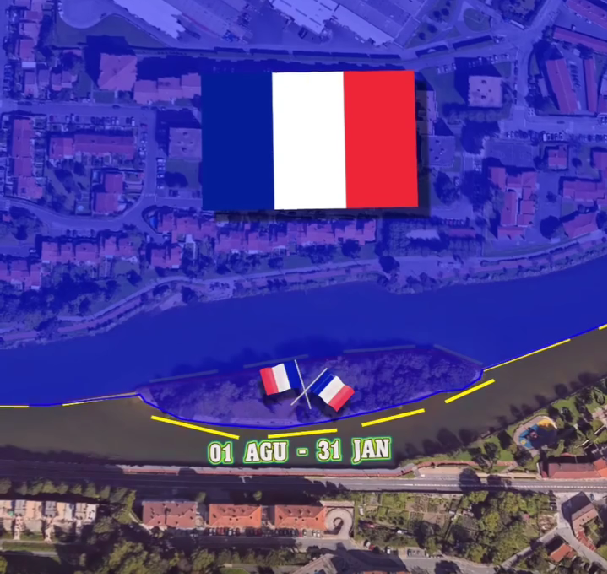
Borders around the world are often seen as fixed lines on a map, delineating one nation from another. However, some borders are dynamic and fluid, reflecting historical negotiations and unique geopolitical circumstances. One fascinating example of this phenomenon is Pheasant Island, a small uninhabited island situated in the Bidassoa River, which serves as a natural border between France and Spain. The peculiar arrangement surrounding Pheasant Island illustrates the complexities of territorial claims and international relations between these two neighboring countries.
The Historical Background of Pheasant Island
Pheasant Island is not just an ordinary piece of land; it has a rich history intertwined with the diplomatic relations between France and Spain. In the 17th century, both nations were keen on claiming ownership of this island. However, rather than entering into a conflict, they opted for a diplomatic solution that would govern the island's ownership. In a remarkable agreement, France and Spain decided to alternate control of Pheasant Island.

From February 1 to July 31 each year, the island is under Spanish jurisdiction, while from August 1 to January 31, it is managed by France. This unique arrangement not only underscores the cooperative spirit between the two nations but also highlights the intricate nature of their historical ties. While the island remains uninhabited, the decision to share control reflects the complexities of national identities and sovereignty.
The Implications of Shared Sovereignty
The alternating ownership of Pheasant Island raises intriguing questions about nationality and citizenship. Imagine a scenario where someone were to reside on this tiny island. Which nationality would that individual claim? Would they be considered Spanish during the first half of the year and French in the second? This hypothetical situation illustrates the challenges and quirks of international law regarding citizenship and territorial claims.
In most countries, citizenship is tied to the land where a person is born or resides. However, in the case of Pheasant Island, a person could potentially switch nationalities twice a year based on a historical agreement. This raises philosophical questions about the nature of citizenship itself and how it is defined by legal frameworks.
The Cultural Significance of Pheasant Island
Pheasant Island serves as more than just a geopolitical curiosity; it symbolizes the peaceful coexistence of two nations that share a long and often tumultuous history. The island has become a point of interest for tourists and scholars alike, drawn by its unusual status and the story of cooperation it represents. Events commemorating the unique treaty are occasionally held, celebrating the diplomatic relations between France and Spain.
The island also serves as a reminder of how borders can be more than just lines; they can be reflections of history, culture, and the human desire for peace and understanding. The agreement to share Pheasant Island is a testament to the idea that diplomacy can lead to innovative solutions, even in the face of potential conflict.
Conclusion
Pheasant Island stands as a remarkable example of how borders can be fluid and subject to change, illustrating the complexities of international relations. The unique arrangement between France and Spain regarding this uninhabited island reflects a cooperative spirit that is often overshadowed by conflicts in other parts of the world. While Pheasant Island remains uninhabited, its story prompts us to consider deeper questions about nationality and citizenship in an increasingly interconnected world. In an era where borders are often contested, the history of Pheasant Island serves as a reminder of the possibilities of peaceful coexistence and diplomatic resolution.
Popular Posts




Tags

Comments