
 admin
admin

In the fast-evolving world of software development, technical skills are undeniably essential. However, technical proficiency alone is not enough to excel in today’s collaborative and dynamic work environments. Soft skills play a crucial role in helping programmers not only code efficiently but also work effectively within teams, adapt to changes, and solve problems creatively. Here are five essential soft skills that every programmer should possess to succeed in the industry.
1. Communication

Effective communication is one of the most vital soft skills for programmers. While writing code is a major part of their job, programmers must also be able to clearly convey complex technical ideas to team members, managers, and clients, many of whom may not have a technical background. Good communication ensures that everyone is on the same page, reducing the chances of misinterpretation and project delays. Whether it's discussing project requirements, explaining a bug fix, or collaborating on new features, being able to articulate your thoughts and listen to feedback is essential for success.
Why It Matters:
- Bridges the gap between technical and non-technical team members.
- Reduces misunderstandings and enhances collaboration.
- Promotes clarity in project goals and progress updates.
2. Problem-Solving
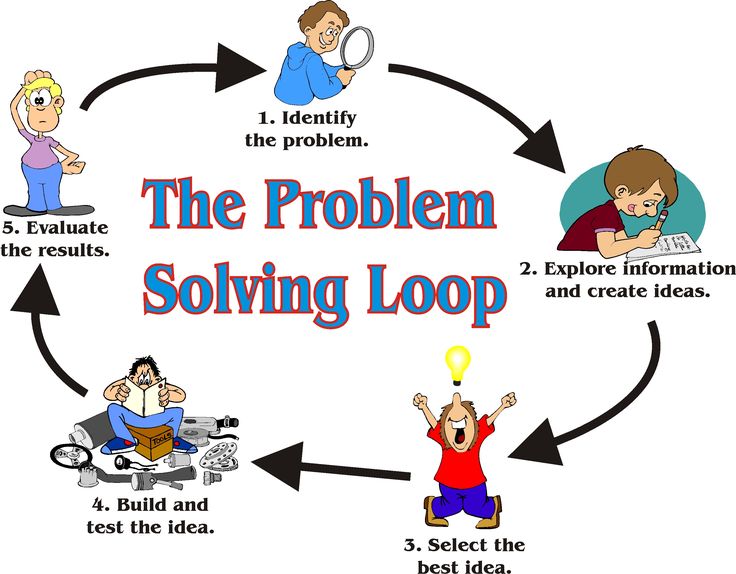
At its core, programming is all about solving problems. However, technical know-how is just one part of the equation; the ability to think critically, analyze situations, and approach challenges methodically is equally important. Good problem-solvers can break down complex issues into smaller, more manageable pieces, think creatively to come up with innovative solutions, and remain patient in the face of setbacks. This perseverance and methodical thinking are key to overcoming obstacles in the development process.
Why It Matters:
- Helps in finding effective and efficient solutions to coding challenges.
- Encourages innovation by thinking outside the box.
- Ensures projects move forward despite roadblocks or difficulties.
3. Adaptability
The technology landscape changes rapidly, with new tools, languages, and frameworks emerging frequently. For programmers, adaptability is the ability to learn and adjust to these changes quickly. Being open to new methodologies, willing to embrace different programming paradigms, and flexible enough to handle shifting project priorities are all crucial for thriving in the tech world. Programmers who resist change may struggle to keep up with industry demands, while those who are adaptable remain valuable and competitive.
Why It Matters:
- Keeps programmers relevant as technology evolves.
- Encourages continuous learning and growth.
- Ensures flexibility in handling project changes or unexpected challenges.
4. Time Management

Programming tasks can be complex, often involving many intricate steps that need to be completed within specific deadlines. Without proper time management, projects can become overwhelming, leading to missed deadlines, stress, and reduced quality of work. Good time management involves prioritizing tasks, accurately estimating how long each task will take, and breaking down larger tasks into smaller, more manageable components. This helps maintain productivity, balance workloads, and deliver projects on time without compromising quality.
Why It Matters:
- Helps programmers meet deadlines and manage workloads efficiently.
- Prevents burnout and ensures sustained productivity.
- Enhances the quality of the work by allowing for better planning and execution.
5. Teamwork
While many imagine programming as a solitary activity, most software development today happens in team environments. Programmers work closely with other developers, project managers, designers, and even clients. Therefore, teamwork is an indispensable skill. Being a good team player means collaborating effectively, giving and receiving feedback constructively, and respecting the diverse skills and perspectives of your colleagues. Successful teamwork leads to better project outcomes, smoother workflows, and a more positive work environment.
Why It Matters:
- Fosters collaboration and better project outcomes.
- Encourages mutual respect and understanding within diverse teams.
- Builds a positive work culture and facilitates better communication.
Conclusion
In the world of programming, having strong technical skills is essential, but possessing the right soft skills is what sets truly effective programmers apart. Good communication ensures clarity and teamwork, while problem-solving and adaptability help programmers navigate challenges and embrace new technologies. Time management allows for meeting deadlines without sacrificing quality. Ultimately, these five soft skills – communication, problem-solving, adaptability, time management, and teamwork – are key to long-term success in any programming career.
Popular Posts




Categories
Tags

Comments