
 admin
admin
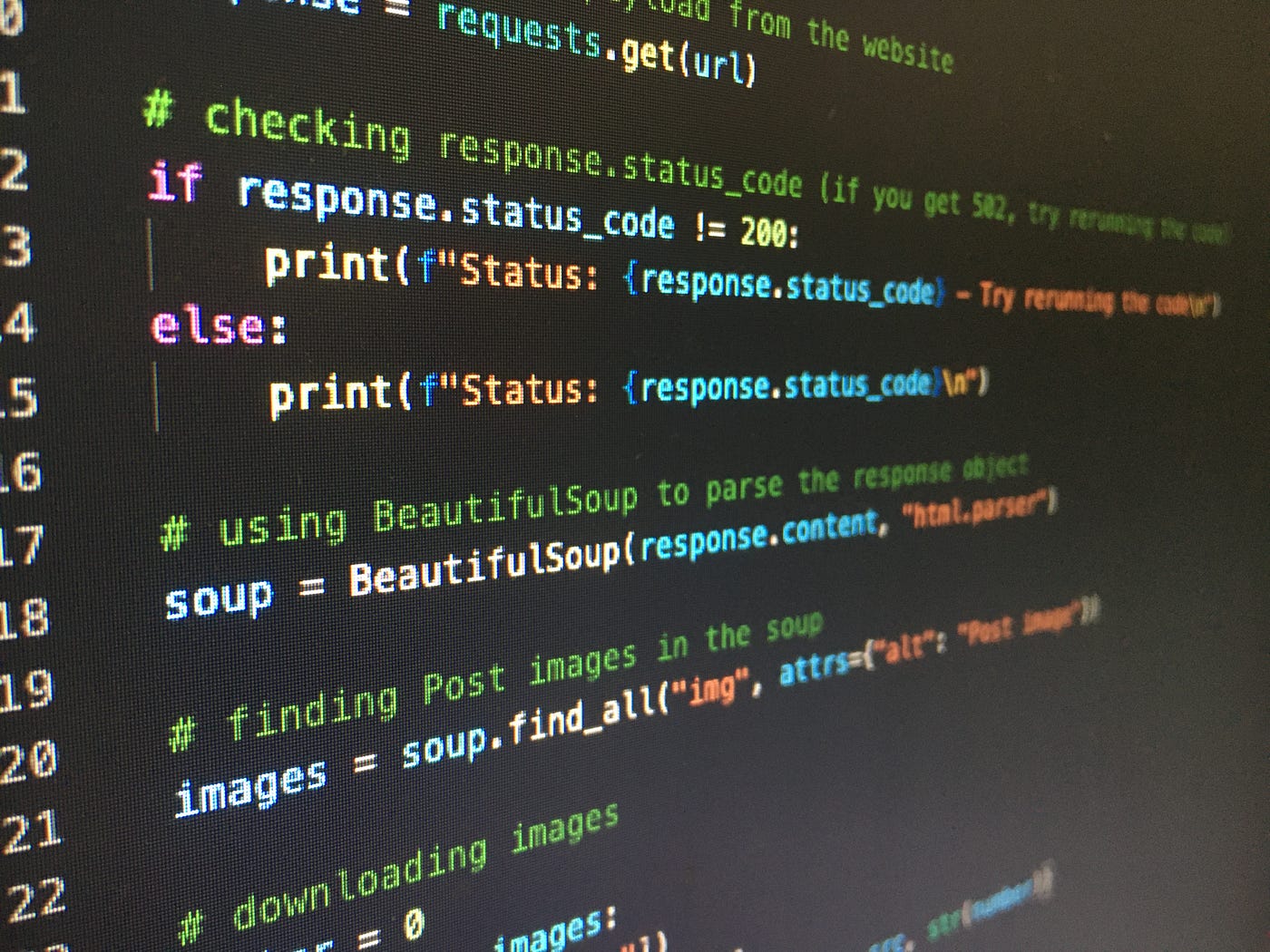
When you’re just starting out on your programming journey, choosing the right language can be a critical decision. You want something that’s easy to learn, but also powerful enough to build real-world applications. Enter Python—a language that has gained immense popularity over the years, especially among beginners. Whether you want to dive into web development, data analysis, machine learning, or even game development, Python provides a simple yet effective entry point.
In this article, we’ll explore five key reasons why Python is often considered the best programming language for beginners.
1. Easy-to-Understand Syntax / Simple and Readable Syntax
One of the main reasons Python is ideal for beginners is its clear and readable syntax. Unlike languages such as C++ or Java, which often have more complex rules and formatting, Python is designed to be straightforward and resembles human language. This simplicity allows beginners to focus on learning programming concepts rather than getting bogged down by confusing syntax.
For example, in Python, you don’t need to deal with curly braces ({}) or semicolons (;). Instead, it uses indentation to define blocks of code, making it much cleaner and easier to understand.
Example:
# Python code to print "Hello, World!"
print("Hello, World!")
As you can see, there are no unnecessary symbols or complex rules—just simple, easy-to-read code. This encourages beginners to write clean code and develop good coding habits from the start.
2. Large and Supportive Community
Python boasts one of the largest and most active programming communities in the world. This is incredibly beneficial for beginners, as it means there are countless resources available to help you learn and troubleshoot issues. From online tutorials and documentation to forums and coding communities, Python’s community support is unmatched.
Additionally, Python has extensive documentation, which is written in a beginner-friendly manner, making it easier for newcomers to find answers to their questions. Platforms like Stack Overflow, GitHub, and Reddit offer extensive support for Python learners, ensuring you’re never alone in your coding journey.
Why it’s important:
- As a beginner, having access to tutorials, forums, and communities can help you quickly resolve issues and stay motivated.
- The wealth of resources means you can find help, no matter the type of project or problem you’re working on.
3. Versatility and Wide Application
Python is a multi-purpose language, meaning it can be used for a wide variety of applications. Whether you’re interested in web development, data science, artificial intelligence, automation, or game development, Python has the tools and libraries to get you started. This flexibility makes Python a valuable language to learn, as it allows you to explore different areas of programming without needing to switch languages.
Python's versatility is backed by a vast collection of libraries and frameworks, such as:
- Django and Flask for web development
- NumPy and Pandas for data analysis
- TensorFlow and PyTorch for machine learning and AI
- Pygame for game development
Why it’s important:
- Beginners can experiment with various fields and projects, from building websites to working on data-driven applications.
- Python’s flexibility allows you to transition into different areas of development as your skills grow.
4. Beginner-Friendly Error Handling
As a beginner, you’ll inevitably make mistakes while writing code, but Python’s user-friendly error messages make the debugging process much less frustrating. In many programming languages, error messages can be cryptic and difficult to decipher, especially if you’re not yet familiar with the technical terminology.
Python, on the other hand, provides clear and descriptive error messages, helping beginners identify the root cause of the problem and learn from their mistakes.
For example, if you misspell a keyword or make a simple syntax error, Python will provide a helpful message pointing you in the right direction:
prnt("Hello, World!")
# Output: NameError: name 'prnt' is not defined. Did you mean: 'print'?
This kind of feedback is invaluable when you’re learning, as it allows you to quickly correct your code and understand what went wrong without needing extensive debugging experience.
Python is an excellent choice for beginners because it teaches core programming principles without overwhelming complexity. Concepts such as variables, loops, functions, and object-oriented programming are easier to grasp in Python due to its clean and intuitive syntax. This strong foundation in programming fundamentals makes it easier for learners to transition to more complex languages later on.
Furthermore, Python encourages good coding practices, such as code readability and simplicity. By learning Python first, beginners are more likely to develop strong problem-solving skills and the ability to write efficient, clean code.
Why it’s important:
- Python’s simplicity allows beginners to focus on learning fundamental programming concepts.
- A strong understanding of these basics can make it easier to learn other programming languages down the road.
5. Wide Range of Practical Applications
Python is used in a wide range of real-world applications, from small scripts to large-scale enterprise software. Learning Python provides immediate practical benefits because it is used in many different industries, including:
- Web development: Building websites and web apps.
- Data science and analytics: Analyzing and visualizing data.
- Artificial intelligence and machine learning: Training models and making predictions.
- Automation: Automating repetitive tasks such as file manipulation or data scraping.
By learning Python, beginners can apply their skills to projects that have a real impact, making their learning journey more exciting and rewarding.
Why it’s important:
- Beginners can work on practical, real-world projects right away, which keeps learning engaging and relevant.
- Python’s wide usage in various industries opens up numerous career opportunities.
Conclusion
Python’s ease of use, versatility, strong community support, and practicality make it an ideal choice for beginners. Its readable syntax allows newcomers to focus on learning core programming concepts, while its flexibility ensures that Python skills remain valuable across a wide range of industries and applications. Whether you’re interested in web development, data science, or automation, Python provides a solid foundation for your programming journey.
If you're looking to start your programming career or hobby, Python is a great place to begin.
Popular Posts




Categories
Tags

Comments